Advanced, Precise & Comfortable Tooth Preservation
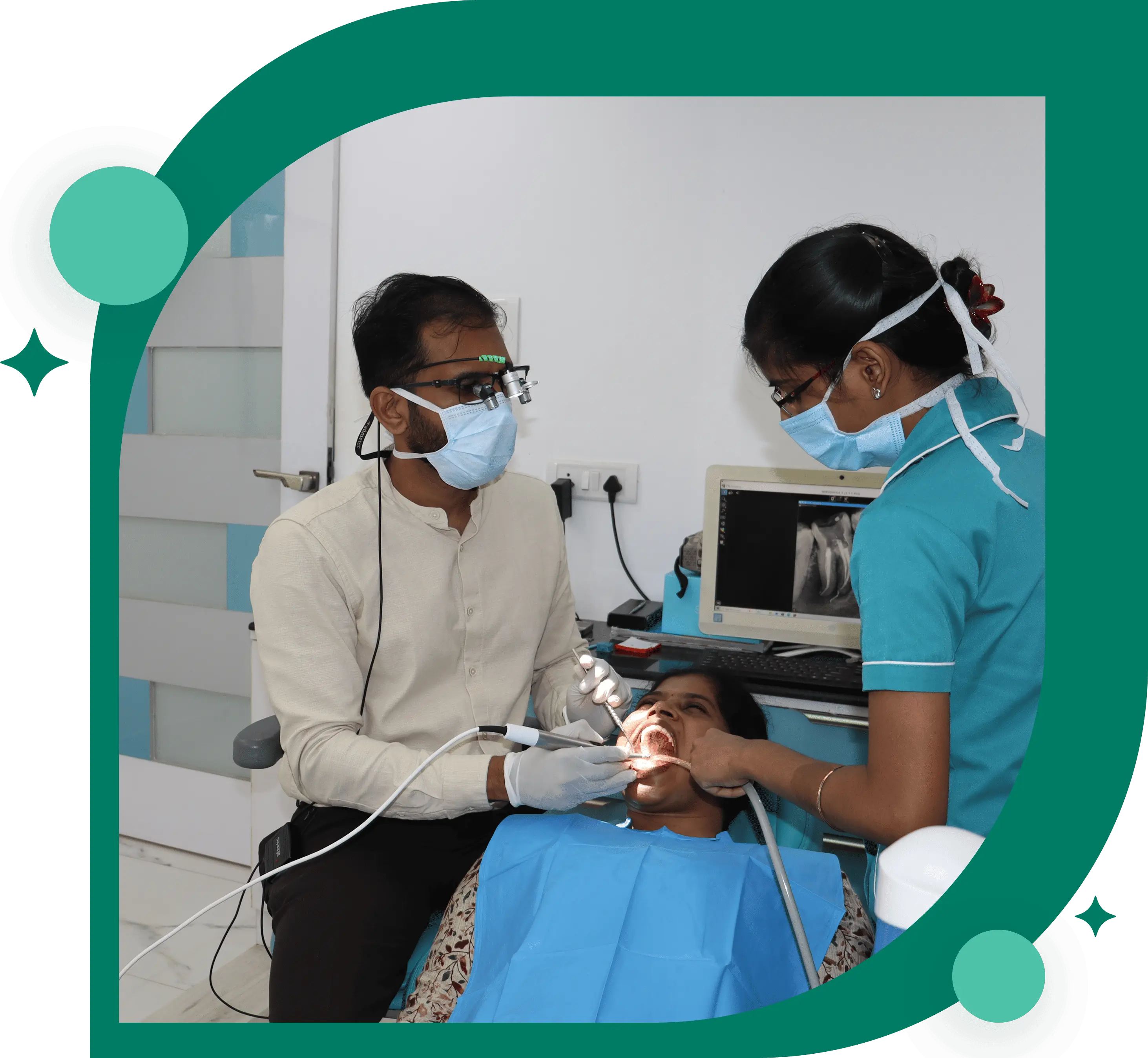
At Craft 32 Dental Care, root canal treatment is performed with a focus on precision, comfort, and long-term tooth preservation. We provide advanced root canal treatment (RCT) focused on preserving natural teeth with high levels of accuracy, safety, and patient comfort. Led by Dr. A. Arul Pradeep, treatment is carried out using advanced magnification, precision-driven systems, and modern endodontic protocols, ensuring a smooth, predictable, and comfortable experience.
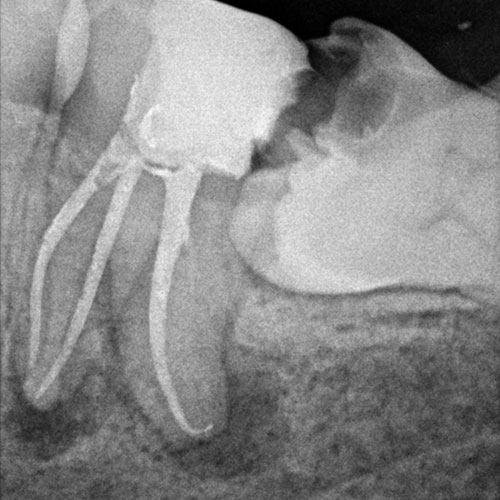
Root canal treatment removes infected pulp from within the tooth, followed by:
This allows the tooth to be retained and restored rather than extracted.
When is Root Canal Treatment Required?
Early treatment prevents complications.
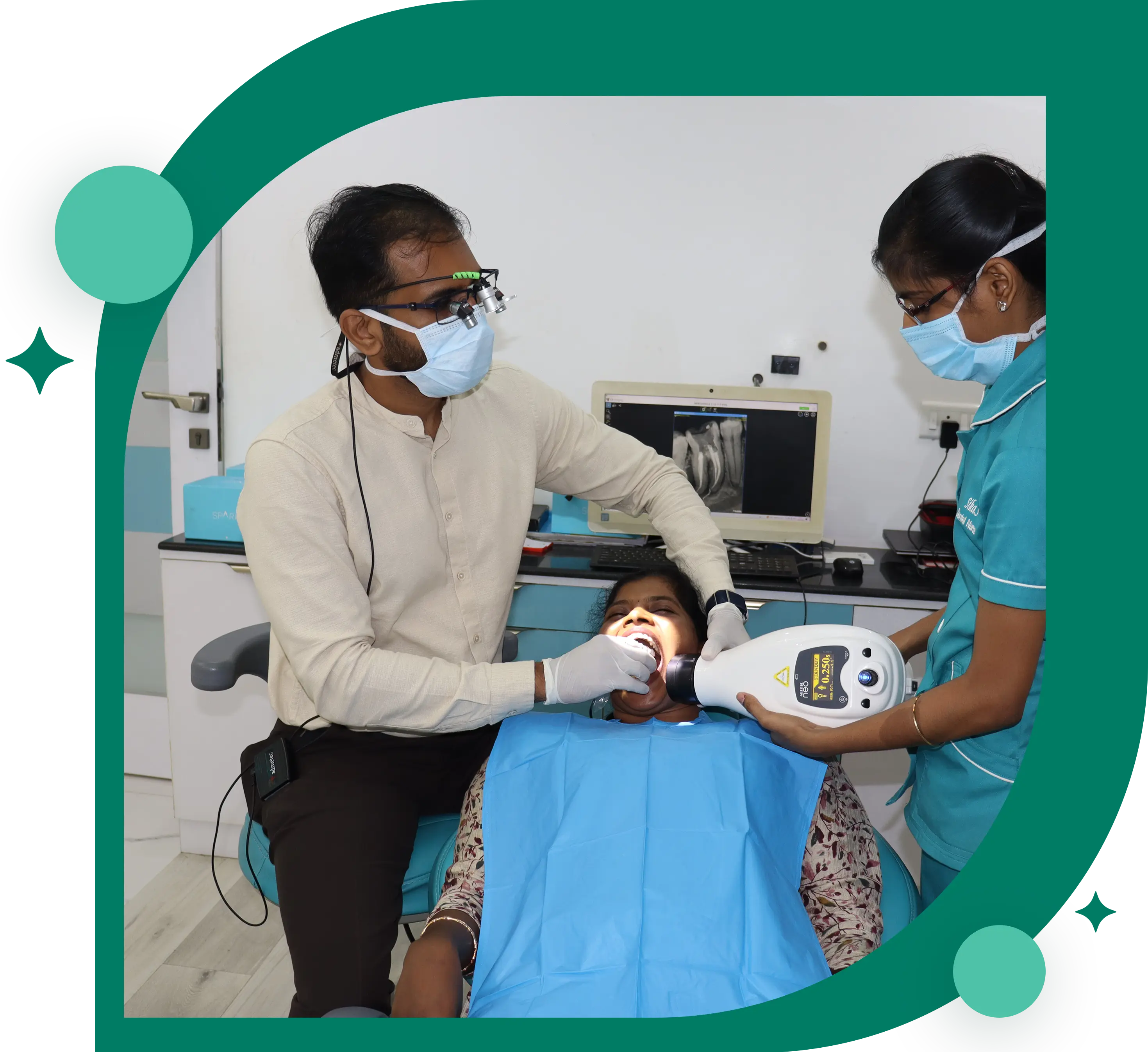
Root canal therapy is carried out to treat infection within the tooth while maintaining its natural structure.
Advanced Clinical Technology
We utilize:
This allows:
Root canal success depends on:
Advanced equipment and magnification significantly improve:
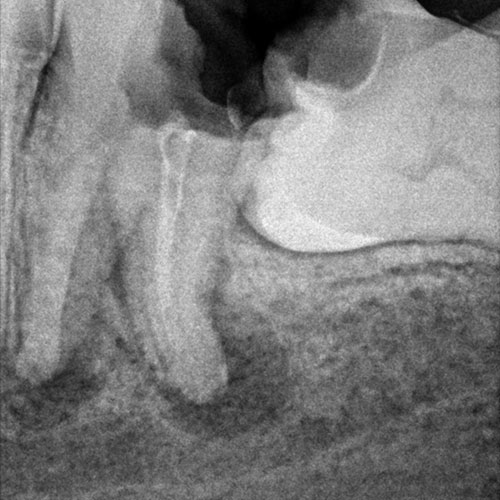
In cases where a previous root canal has not healed as expected, retreatment may be required.
Indications for Retreatment
Our approach:
After root canal treatment, teeth that have lost significant structure may require reinforcement.
Post & Core Procedure
This helps:
When conventional treatment or retreatment is not sufficient, periapical surgery may be recommended.
Procedure Overview
This approach is used for:
If preservation is not possible:
Replacement options are considered.
The goal of treatment is to:
A detailed evaluation will determine:
“I was referred to this place by one of my friends who said that the services here were excellent. To be honest it was the best. Right from the time we fix an appointment to the procedures and to fixing of cap(i had root canal done) was so professional. They do a follow up on every appointment. Thoroughly professional staff and Dr. Arul Pradeep explains everything very well. I was at ease during the entire treatment. I rate them the best thank you."
Root canal treatment removes infection from within the tooth and preserves the natural structure. It is recommended when there is pain, sensitivity, swelling, or signs of infection affecting the pulp.
No. With modern techniques and effective local anaesthesia, the procedure is typically comfortable and pain-free. Most patients find it comparable to a routine dental filling.
Preserving the natural tooth is always the preferred option when possible. Root canal treatment maintains your bite, jawbone health, and overall oral function — making it superior to extraction in most cases.
Treatment may be completed in a single visit or over multiple visits, depending on the complexity of the case. Each session generally lasts between 45 to 90 minutes.
We use dental loupes for magnification, the Dentsply X-Smart Pro+ endomotor with in-built apex locator for precise canal preparation, and the Dentsply Sirolaser Blue for superior disinfection — ensuring accurate, efficient, and predictable outcomes.
Root canal success depends on thorough cleaning of infected canals, accurate shaping and sealing, and avoiding under- or over-instrumentation. Advanced equipment and magnification significantly improve treatment accuracy, clinical efficiency, and long-term outcomes.
After the root canal is completed, the tooth is restored with a filling or crown to protect it. You may experience mild sensitivity for a short period, which usually resolves without concern.
In most cases — especially for back teeth — a crown is recommended to strengthen the tooth and prevent fracture. This ensures long-term durability and function.
Yes, once the final restoration is completed. Until then, it is advisable to avoid chewing on the treated tooth.
Yes. Once restored with a filling or crown, the tooth blends naturally with surrounding teeth in both function and appearance.
Success rates are high. However, in rare cases, reinfection may occur due to complex canal anatomy or delayed restoration. In such situations, retreatment can often resolve the issue.
Retreatment involves reopening the tooth, removing previous filling material, cleaning the canals again, and resealing them with improved precision to eliminate infection and preserve the tooth.
When conventional treatment or retreatment is not sufficient, periapical surgery removes the infection at the root tip and seals the root end, preserving the natural tooth. It is used for persistent infections or complex anatomical cases.
With proper care and maintenance, a treated tooth can last many years or even a lifetime. Regular check-ups help ensure continued health.
Maintain regular oral hygiene, attend routine dental visits, and follow your dentist's guidance to ensure long-term success.
Preserving Natural Teeth. Restoring Lasting Comfort.
Schedule your consultation and receive care designed for lasting results