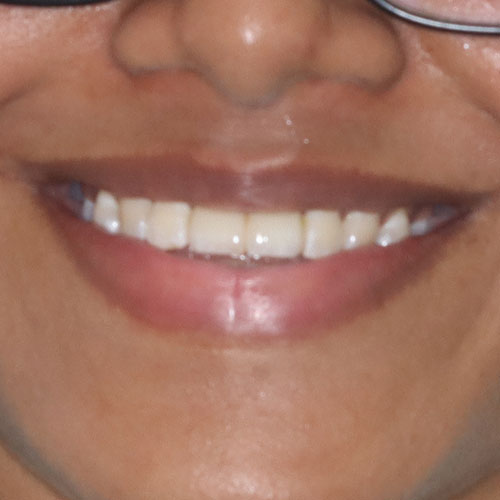
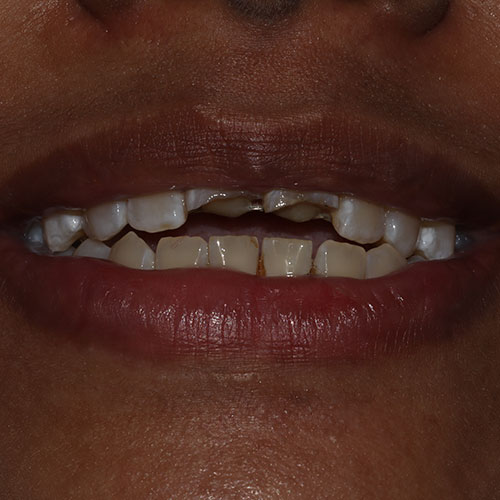
Restoring Strength. Rebuilding Function. Refining Your Smile.
At Craft 32 Dental Care, restorative treatments are designed to rebuild damaged or missing teeth with precision, durability, and natural aesthetics. Whether restoring a single tooth or replacing multiple teeth, our focus is on achieving long-term function, comfort, and a seamless appearance. Led by Dr. A. Arul Pradeep, every restoration is carefully planned using high-quality materials and personalised design principles to ensure results that feel and look natural.
A dental crown is a full-coverage restoration placed over a damaged or weakened tooth to restore its:
Dental bridges are fixed restorations used to replace one or more missing teeth by anchoring to adjacent teeth or implants.
Dentures are removable dental prostheses used to replace missing teeth and surrounding tissues — restoring smile, chewing ability, speech, and facial support.
They are customised for comfort, function, and aesthetics in both partial and complete tooth loss cases.
Dentures are a reliable, non-surgical option that can significantly improve:
| Type | Stability | Comfort | Function |
|---|---|---|---|
| Conventional Dentures | Moderate | Moderate | Basic |
| Flexible Dentures | Better | High | Moderate |
| Implant-Supported Dentures | High | High | Excellent |
Dentures vs Bridges vs Implants
Choosing the Right Solution for Your Smile
Replacing missing teeth is not only about aesthetics—it is essential for maintaining oral function, jaw health, and long-term stability. At Craft 32 Dental Care, each option is carefully evaluated to ensure the most suitable solution for your individual needs.
Led by Dr. A. Arul Pradeep, treatment planning is focused on achieving comfort, durability, and natural integration.
Removable prosthetic solutions for multiple or all missing teeth.
Fixed restorations anchored to adjacent natural teeth.
Long-term titanium post supporting a crown or prosthesis.
| Feature | Dentures | Bridges | Implants |
|---|---|---|---|
| Type | Removable | Fixed | Fixed |
| Surgery Required | No | No | Yes |
| Stability | Moderate | Good | Excellent |
| Longevity | 5–10 years | 10–15 years | Long-term |
| Jawbone Preservation | Limited | Limited | Yes |
| Maintenance | Daily removal & cleaning | Similar to natural teeth | Similar to natural teeth |
A detailed consultation ensures the most appropriate and predictable treatment plan.
All options are designed to:
The goal is always a balanced, natural, and confident result.
Each option is planned with a focus on long-term comfort and function.
“Great experience from consultation to completion. The ceramic crown was customized perfectly, and the shade matching was exceptional. The final result exceeded my expectations."
A crown restores a damaged or weakened tooth by covering it completely, helping to restore its strength, function, and appearance. A bridge is used to replace one or more missing teeth by anchoring an artificial tooth to adjacent natural teeth, providing a fixed and stable solution. Dentures, on the other hand, are removable prostheses used to replace multiple or all missing teeth, restoring both function and facial support. The most appropriate option depends on the number of missing teeth, the condition of surrounding teeth, bone support, and long-term functional and aesthetic goals.
The ideal treatment depends on multiple clinical factors, including the condition of existing teeth, gum health, bone support, number of missing teeth, and functional requirements such as chewing efficiency and speech. Personal preferences, lifestyle considerations, and long-term expectations also play an important role.
Missing teeth can lead to a range of progressive oral health issues. Adjacent teeth may shift into the empty space, leading to misalignment and bite problems. Over time, bone loss can occur in the area of the missing tooth, affecting facial structure and appearance. In addition, chewing efficiency may reduce, and speech can be affected. Early replacement of missing teeth helps maintain proper function, structural balance, and long-term oral health.
We offer both complete and partial dentures depending on the extent of tooth loss. Complete dentures are used when all teeth in an arch are missing, while partial dentures are used when some natural teeth remain. Dentures are particularly suitable for patients seeking a non-surgical solution to restore chewing ability, facial support, and overall aesthetics. They can also be customised for improved comfort and function based on individual needs.
A dental bridge is typically preferred when one or a few teeth are missing and the adjacent teeth are healthy and strong enough to support the restoration. Unlike removable dentures, bridges are fixed in place, providing greater stability, improved chewing efficiency, and a more natural feel. They are often recommended when patients prefer a non-removable solution and when the supporting teeth can be predictably used.
Yes. Fixed solutions such as dental implants and bridges are commonly used as alternatives to removable dentures. Dental implants, in particular, provide a highly stable and long-term solution by replacing the tooth root and supporting a fixed crown or prosthesis. These options are especially beneficial for patients seeking improved comfort, function, and long-term bone preservation.
In many cases, yes. Patients who initially opt for removable dentures can transition to fixed solutions such as implant-supported prostheses at a later stage. This depends on factors such as bone availability, overall oral health, and treatment goals. A detailed evaluation helps determine whether such an upgrade is feasible and beneficial.
In most cases, yes. Teeth that have undergone root canal treatment tend to become structurally weaker and more brittle over time due to loss of internal vitality. A crown provides full coverage protection, restoring strength and preventing fracture. This significantly improves the longevity and functional performance of the treated tooth, especially in back teeth that are subjected to higher chewing forces.
Typically, crowns are completed over two visits. The first visit involves preparing the tooth and taking precise impressions or digital scans. A temporary restoration may be placed during this phase. In the second visit, the final custom-made crown is fitted and cemented. In selected cases, advanced technologies may allow faster or same-day crown placement, depending on the clinical situation.
No. The procedure is performed under local anaesthesia, ensuring that the process is comfortable and well-controlled. Some patients may experience mild sensitivity or discomfort after the procedure, especially during the initial period, but this is temporary and usually resolves quickly.
Zirconia and ceramic crowns are widely preferred due to their superior aesthetics, as they closely mimic the natural translucency and colour of teeth. They also offer excellent strength and durability. Metal or porcelain-fused-to-metal (PFM) crowns may still be used in specific situations where additional strength is required, particularly in areas with high biting forces. The choice depends on clinical requirements and aesthetic expectations.
Yes. Modern restorative materials such as zirconia and advanced ceramics are designed to closely replicate natural teeth in terms of colour, shape, and translucency. Careful planning and customisation ensure that restorations blend seamlessly with the surrounding teeth, resulting in a natural and эстетically refined appearance.
There may be a short adjustment period as your mouth adapts to wearing dentures, during which speech may feel slightly different. However, most patients adapt quickly with regular use. Dentures also play a significant role in restoring facial support, helping maintain natural facial contours and preventing a sunken appearance associated with tooth loss.
With proper design, fit, and adaptation, crowns, bridges, and well-fabricated dentures are designed to feel comfortable and function naturally. Over time, patients typically adjust well, allowing normal speaking, chewing, and day-to-day activities without discomfort.
Crowns restore full chewing ability and function similar to natural teeth. Dentures may require a short adaptation period, during which softer foods are recommended initially. Once adjusted, most patients are able to eat comfortably and resume a normal diet with minor precautions.
Adaptation varies between individuals, but most patients become comfortable within a few days to a few weeks. Regular use, along with minor adjustments during follow-up visits, helps improve comfort, stability, and overall function.
It is generally recommended to remove dentures at night. This allows the gums and underlying tissues to rest and reduces the risk of irritation or infection. Proper cleaning and storage overnight also help maintain hygiene and prolong the life of the denture.
Crowns typically last 10–15 years or longer, depending on oral hygiene, usage, and material quality. Dentures generally last around 5–10 years, though adjustments or replacements may be needed over time due to natural changes in the jawbone and oral structures.
While crowns and bridges are highly durable, they may require replacement over time due to wear, changes in gum health, or underlying tooth conditions. Regular dental check-ups help detect any issues early and maintain long-term performance.
Yes. Natural changes in the jawbone and oral tissues can affect the fit of dentures over time. Relining, adjustment, or replacement may be required to maintain proper fit, comfort, and stability.
Yes. Modern advancements such as flexible dentures and implant-supported dentures significantly enhance comfort, retention, and function compared to conventional dentures.
These are dentures that are anchored to dental implants rather than resting solely on the gums. They provide improved stability, better chewing efficiency, and greater comfort, making them a preferred option for many patients seeking enhanced performance.
Crowns should be maintained with regular brushing, flossing, and routine dental check-ups, just like natural teeth. Dentures should be cleaned daily using appropriate cleaning methods, removed at night, and stored properly to maintain hygiene and longevity.
The cost varies depending on the type of restoration, materials used, number of teeth involved, and overall complexity of the case. A detailed consultation is essential to assess your condition and provide a customised treatment plan along with a transparent and accurate estimate.
Restoring Function. Rebuilding Confidence.
Schedule your consultation to explore the most appropriate solution for you.