What is Laser Dentistry?
Laser dentistry uses concentrated light energy to treat both soft tissue and selected hard tissue conditions with high precision.
It allows procedures to be performed with:

Advanced Precision. Minimal Discomfort. Faster Healing.
At Craft 32 Dental Care, laser dentistry represents a modern approach to treatment — combining clinical precision, patient comfort, and efficient healing. By using focused light energy, a wide range of procedures can be performed with greater accuracy and reduced tissue trauma compared to conventional methods. Under the care of Dr. A. Arul Pradeep, laser technology is integrated into treatment planning to deliver minimally invasive, comfort-focused, and predictable outcomes.
Laser dentistry uses concentrated light energy to treat both soft tissue and selected hard tissue conditions with high precision.
It allows procedures to be performed with:
At Craft 32 Dental Care, we utilise the latest-generation laser system from Dentsply Sirona (SIROLaser Blue) — a recent advancement in dental laser technology.
It is the first dental diode laser worldwide combining three wavelengths:
This multi-wavelength capability makes it a true all-rounder, enabling both surgical precision and therapeutic healing in a single system.
Laser dentistry is a versatile tool supporting both therapeutic and aesthetic care.
At Craft 32 Dental Care, laser technology is used for:
Precision laser technology used across a wide range of dental treatments.
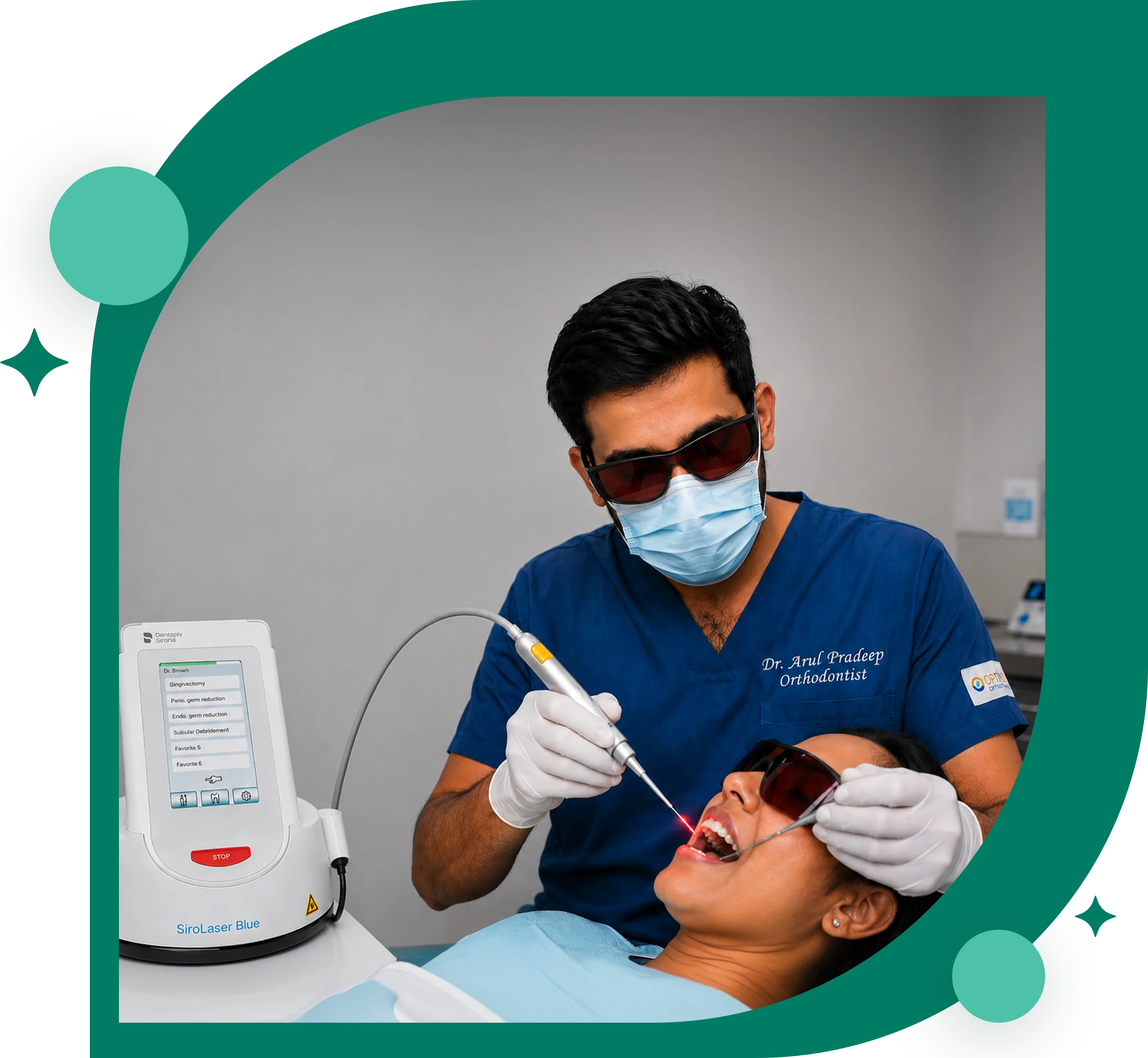
Used as a supportive therapy in selected cases.
Non-cutting laser tips allow:
Laser technology can assist orthodontic treatment by:
Laser dentistry may be considered in:
| Feature | Laser Dentistry | Conventional Treatment |
|---|---|---|
| Invasiveness | Minimally invasive | More mechanical intervention |
| Bleeding | Less bleeding | More bleeding in soft tissue procedures |
| Healing | Faster healing | Longer recovery time |
| Discomfort | Reduced discomfort | May involve more discomfort |
| Precision | High precision | Less targeted in some cases |
Compared to conventional methods, laser dentistry offers Laser-assisted procedures allow:
Laser dentistry is used where clinically appropriate and may be combined with conventional techniques to ensure optimal results. Laser technology enhances many procedures but does not replace all conventional methods. The most suitable approach is selected based on clinical evaluation.
A clinical evaluation will determine:
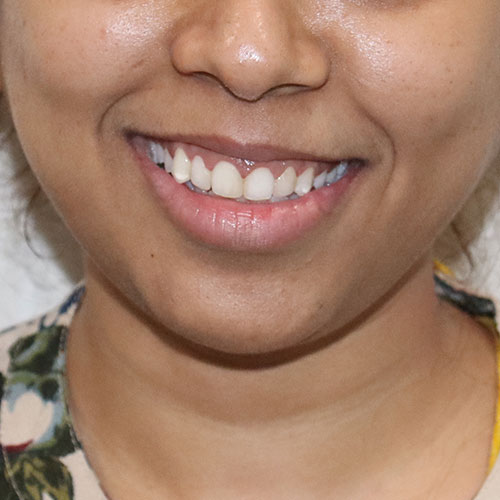
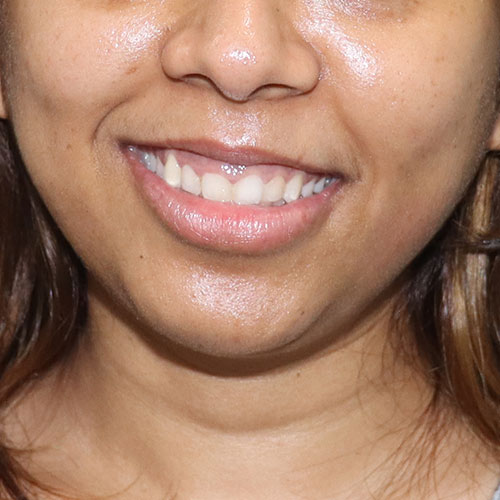
"Great experience with laser gingivectomy! The procedure was comfortable, and recovery was faster than expected. My gums look more even and my smile has improved a lot."
Laser dental treatment uses focused light energy to perform a wide range of procedures with enhanced precision. It is commonly used for gum treatments, aesthetic contouring, soft tissue procedures, sensitivity reduction, and supportive diagnostic and cosmetic applications.
Yes, laser dentistry is safe when performed by trained professionals and is widely approved for dental use. However, it may not be suitable for all procedures — such as certain extensive restorations. A thorough evaluation by Dr. A. Arul Pradeep ensures the most appropriate treatment approach.
At Craft 32 Dental Care, we use advanced multi-wavelength laser systems (blue, infrared, and red wavelengths) that allow precise cutting, deep disinfection, and enhanced healing within a single platform. This enables more versatile and effective treatment compared to conventional single-wavelength systems.
Yes. Laser technology is highly effective for deep periodontal (gum) disinfection and root canal sterilisation, reaching areas that conventional methods may not fully access. This improves infection control and long-term treatment success.
Yes. Laser therapy may be used as a supportive treatment for TMJ-related pain and muscle discomfort, helping reduce inflammation, improve circulation, and enhance comfort in jaw movement.
Yes. Laser therapy may support orthodontic treatment by reducing discomfort and, in selected cases, assisting in stimulating faster tooth movement through enhanced biological response.
Laser treatments are generally more comfortable than traditional methods. Many minor procedures can be performed with little to no anaesthesia. Reduced tissue trauma results in a more comfortable experience both during and after treatment.
Most laser treatments are significantly more comfortable than traditional methods. While patients may feel mild warmth or sensitivity, pain is minimal, and many procedures can be performed with little or no anaesthesia.
Mild sensitivity may occur temporarily, but it is usually minimal and resolves quickly compared to traditional methods.
Yes. Laser dentistry is often preferred by patients who are anxious about dental treatment, as it reduces the need for drills, needles, and invasive techniques.
Laser energy seals blood vessels as it works, significantly reducing bleeding. It also sterilises the treatment area, lowering infection risk and promoting faster healing. In many cases, stitches are not required.
In many soft tissue procedures, laser treatment reduces or eliminates the need for stitches. The laser seals blood vessels and tissues during treatment, promoting faster healing and reducing post-operative discomfort.
Laser technology targets only the specific treatment area, preserving surrounding healthy tissue. This precision leads to improved clinical outcomes, reduced complications, and more predictable healing.
Recovery is typically faster than conventional procedures. Most patients resume normal activities within 1 to 2 days, depending on the treatment. Reduced swelling and minimal tissue disruption contribute to a smoother healing process.
In most cases, yes. Laser procedures typically result in reduced swelling, minimal bleeding, and faster tissue healing, allowing quicker recovery compared to traditional methods.
While laser dentistry is highly versatile, it is not used for all procedures. Certain treatments — such as extensive restorations or specific structural corrections — may still require conventional techniques for optimal results.
Yes. Due to its minimally invasive and gentle nature, laser dentistry is particularly suitable for children, elderly patients, and those with dental anxiety, ensuring a more comfortable treatment experience.
Laser dentistry is extremely safe when performed by trained professionals. It offers controlled energy delivery, reduced trauma to surrounding tissues, and a lower risk of infection.
Yes. When combined with proper oral hygiene and regular care, the results are stable and long-lasting.
The cost depends on the type of procedure, extent of treatment, and clinical requirements. A detailed consultation ensures a personalised plan with clear and transparent pricing.
A Confident Smile Begins with Precision Care
Schedule your consultation and take the first step toward a balanced, well-aligned smile.
← Drag to compare Before & After →